
Where to place one
Follow the detector maker’s placement instructions and local rules. Keep the alarm where people can hear it.
A carbon monoxide detector warns of carbon monoxide in the home. The gas has no smell, so a working alarm matters near fuel-burning equipment.
Contact our office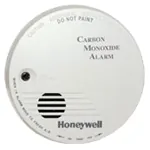
Follow the detector maker’s placement instructions and local rules. Keep the alarm where people can hear it.
Test the alarm as its instructions say. Check its age, battery type and end-of-life signal.
An alarm does not replace care for a furnace, stove or other fuel-burning appliance. It also does not find every cause of poor air.
Check the instructions for each detector already in the home. Ask a qualified installer about placement if you are unsure.
Keep the model instructions handy so you can tell an alarm from a low battery or end-of-life signal.
Write down what changed, when it began and which rooms are affected so you can explain the problem in a clear way. The office will need those details before discussing the next step.
Contact our office